
• May 2026
    • 1
    Many doctors use wrong test to diagnose kids food allergies

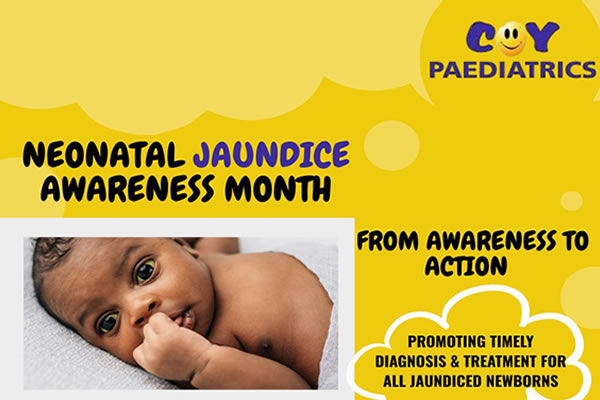
    Jaundice In Newborns

    In the first 1-2 weeks, you may have looked at your baby and thought, “Why do they look a little yellow?” You’re not alone, many parents notice this in the first few days after birth. This is called jaundice, and while it’s very common, it’s something every parent should understand.
    What does jaundice look like?
    • Yellowing of the eyes
    • Yellowish skin (starting from the face and moving down)
    • Baby may seem a bit more sleepy than usual
    Why does it happen?
    Your baby’s body is adjusting to life outside the womb. Their liver is still learning how to process bilirubin (a natural substance in the body). In many babies, this settles on its own—but sometimes it needs medical care.
    When should you worry?
    By week 3-4, please seek care immediately if:
    • Jaundice appears within the first 24 hours
    • Your baby is not feeding well
    • Baby is too sleepy or difficult to wake
    • The yellow colour is getting deeper or spreading to the legs
    • You notice dark urine or pale stools .
    Simple things you can do at home:
    • Feed your baby frequently
    • Watch their skin and eye colour daily
    • Keep up with clinic visits
    Good news: Most jaundice is mild and goes away. If treatment is needed, we use safe and effective phototherapy (blue light treatment).
    Dear parents, If you’re ever unsure, it’s always okay to ask. Early checks make a big difference.
    Join us every 3rd Tuesday @COY 25 and every 3rd Friday @ COY6 for our child welfare clinic.
    • May 2026
    • 2
    Rising cost of diabetes care concerns patients and doctors

    Asthma Awareness Month

    WORLD ASTHMA DAY 2026 “Breathing should be easy for every child.”
    If your child often coughs, wheezes, or struggles to breathe, especially at night or during play, you’re not alone. Asthma is one of the most common childhood conditions, and with the right care, children can live active, happy lives.
    What does asthma look like in children?.
    • Frequent coughing (especially at night)
    • Wheezing or noisy breathing
    • Shortness of breath during play or exercise
    • Chest tightness
    • Repeated “chest infections”
    Sometimes it’s mistaken for a stubborn cough—but it could be asthma.
    Common triggers parents should watch for:
    • Dust and smoke
    • Cold air or weather changes
    • Exercise
    • Strong perfumes or chemicals
    • Colds and viral infections
    Knowing your child’s triggers is a big step toward control.
    Good news: Asthma can be controlled!
    With the right treatment plan, most children can:
    ✔ Sleep well at night
    ✔ Play and exercise freely
    ✔ Avoid frequent hospital visits
    Join us every 3rd Tuesday @COY 25 and every 3rd Friday @ COY6 for our child welfare clinic.

COY Paediatrics